August is the month nobody in Massachusetts thinks about their boiler, which is exactly why it's the right month to deal with it. Every heating company in Plymouth County runs the same calendar: quiet through Labor Day, busy by late September, and then the first weekend that drops into the 30s flips a switch. The phone starts at 6 a.m. Monday and the schedule fills for two, sometimes three weeks straight, triaged by who actually has no heat.
In that rush, a no-heat call outranks everything. A tune-up booked in October waits at the back of the line, and a replacement decision made in October gets made under pressure, in a cold house, choosing from whatever equipment is in stock. The same work in August happens on your schedule, at the same price, with time to think.
Start with the list you made in February
Most heating problems announce themselves for months before they strand anyone. By spring you had a mental list; by August it feels like last year's problem. It isn't. If any of these sound familiar, that's the work to book now:
- Banging, gurgling, or kettling from a boiler: usually air in the lines or sediment on the heat exchanger, both fixable, both worse every season they're ignored.
- One zone or one room that never warms up: a stuck zone valve, a failing circulator, or trapped air, not a personality trait of the house.
- Short cycling: the system firing and shutting down every few minutes wears parts fast and burns fuel without delivering comfort.
- An igniter or pilot that needed multiple visits last year: repeat failures are a symptom, and the third one tends to arrive on the coldest night of January.
- Any smell of oil or exhaust near the equipment, or a CO detector that has ever chirped near the mechanical room: stop reading and book the inspection.
What a real tune-up covers
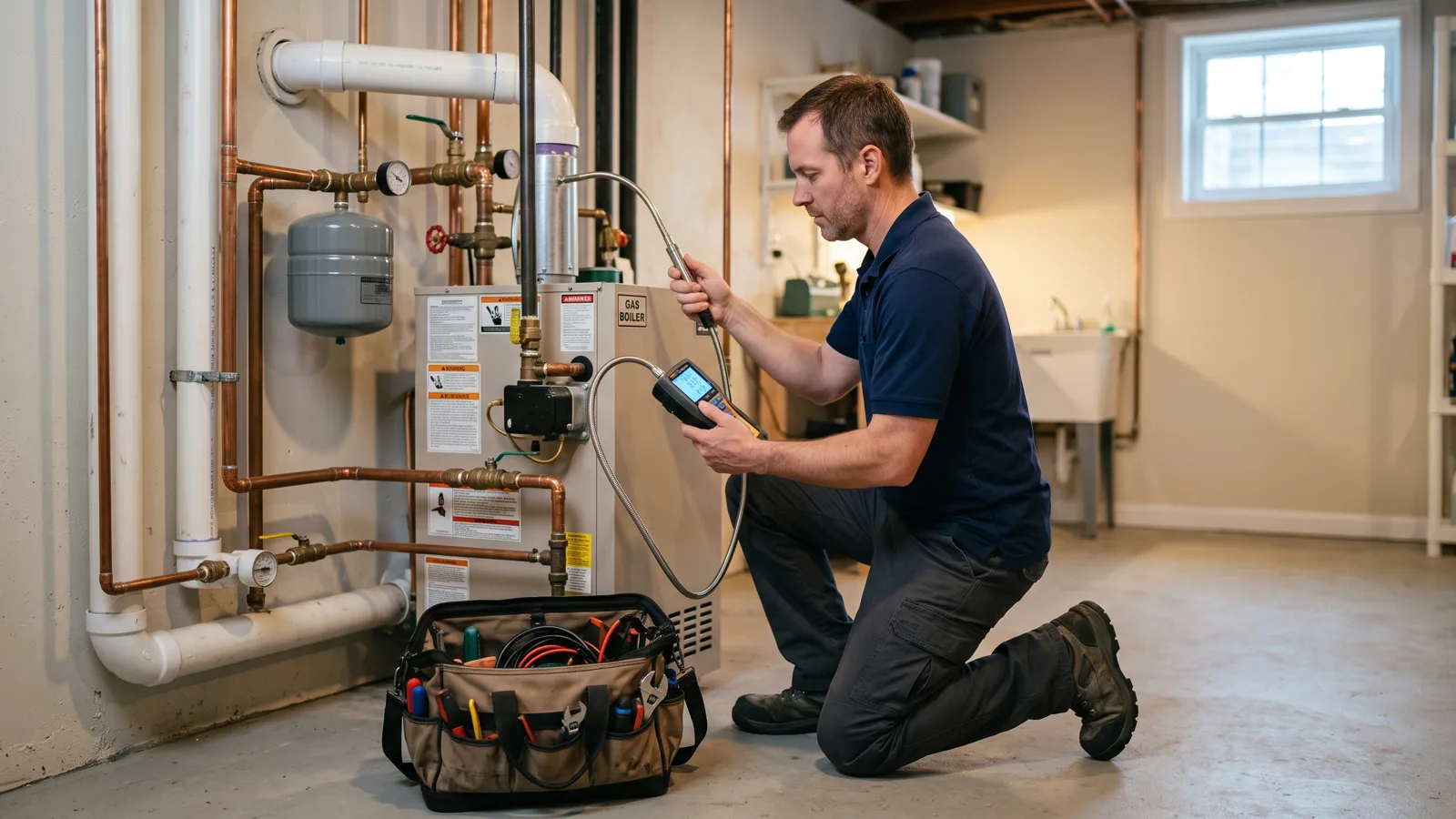
A proper annual service on a gas or oil system is diagnostic work, not a dusting. On our visits that means a combustion analysis with the numbers recorded, inspection of the heat exchanger (a crack here is how carbon monoxide reaches living space), cleaning the burners, testing every safety and limit control, checking the circulator and zone valves on a boiler or the blower and filter on a furnace, verifying expansion tank pressure, and confirming the flue is drafting the way it should.
The August repair-or-replace conversation
Sometimes the tune-up finds the thing you suspected: the system is done. A 20-year-old boiler with a cracked section, a furnace with a failing heat exchanger, a unit that's needed a major repair two winters running. The math mirrors the 50% rule we use on air conditioners: when a repair costs more than half of replacement on old equipment, replacement usually wins. What changes in August is everything around the decision:
| Deciding in October | Deciding in August | |
|---|---|---|
| Your house during the swap | Cold for a day or two, space heaters out | You won't notice; nothing needs heat |
| Scheduling | Behind every no-heat call in the region | Pick a week that suits you |
| Equipment | Whatever is in stock that week | Ordered to spec, sized properly |
| Quotes | Rushed, hard to compare under pressure | Time for real comparisons |
| Rebate paperwork | Racing the season | Approved before the first frost |
If it is replacement: the three paths
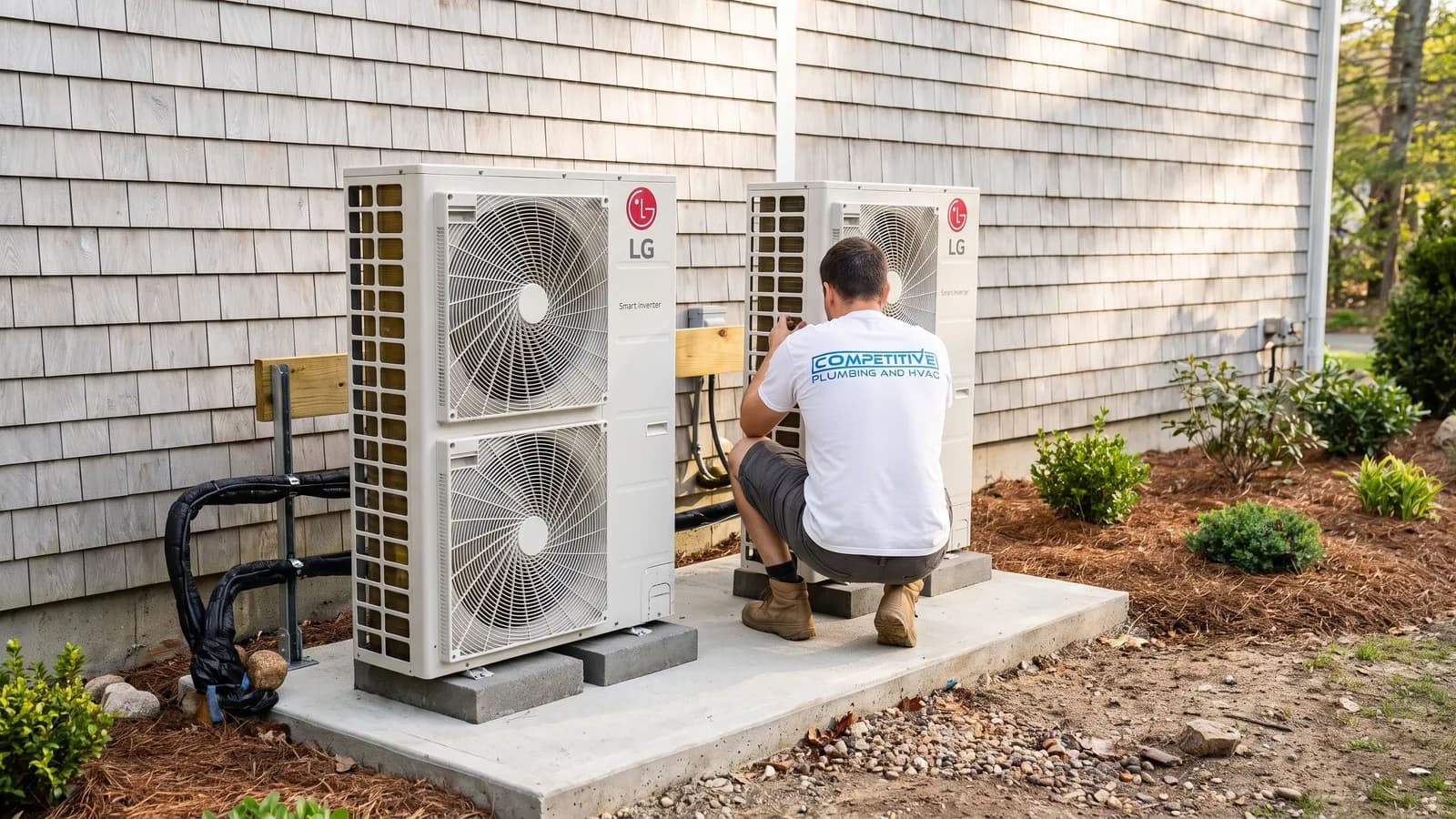
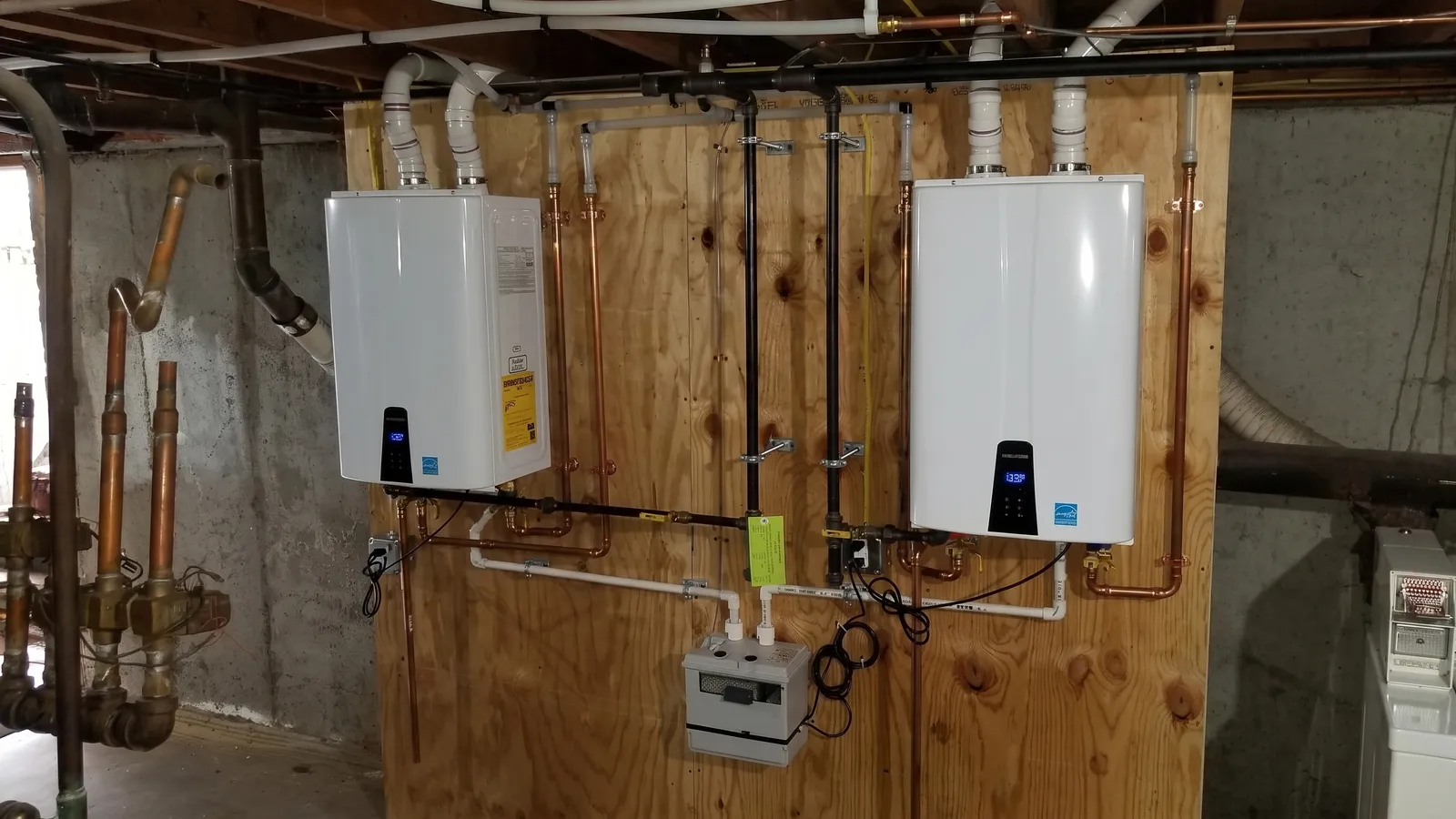
Like for like is the simple path: a new gas or oil boiler or furnace in the same fuel, sized correctly this time (plenty of Massachusetts boilers were oversized on day one). High-efficiency condensing equipment costs more up front and gives back fuel savings every winter after. And for a growing share of homes, the right answer is a cold-climate [heat pump](/services/heat-pump-installation), either replacing the old system outright or paired with the boiler as a dual-fuel setup that runs whichever side is cheaper for the weather.
The heat pump path is where timing matters most: Mass Save pays up to $8,500 on qualifying whole-home installations, the 0% HEAT Loan finances up to $25,000 with no interest, and both involve applications, an energy assessment, and approval windows measured in weeks. Filed in August, the paperwork clears before heating season. The full playbook is in our Mass Save rebate guide.
Whether it's a tune-up, a nagging zone problem, or the replacement conversation you've been putting off since February: (508) 944-7623, upfront flat-rate pricing before any work starts, serving Lakeville, Middleborough, Freetown, and the rest of Southeastern Mass. There's also $200 off boiler installation running now, worth folding into any replacement quote.